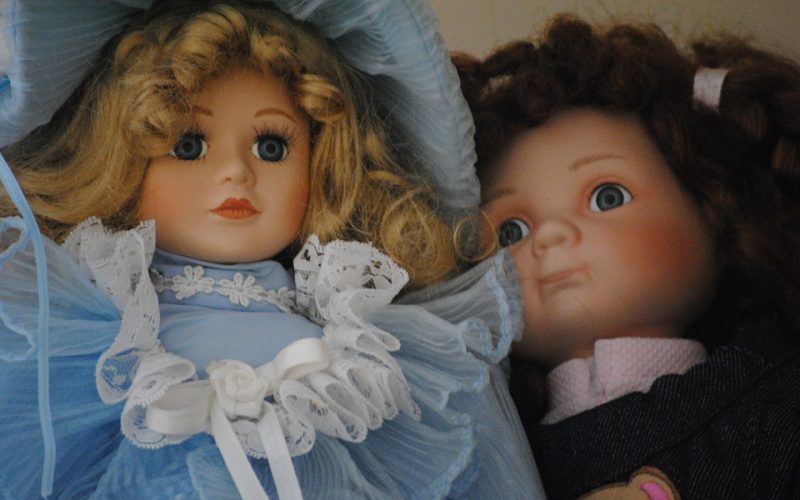
Antique ceramic dolls have captivated collectors and enthusiasts for generations. Their delicate features, intricate craftsmanship, and rich history make them far more than mere playthings — they are tangible connections to the past. But what is it about these fragile figures that continues to draw so many people in?
A window into history
Part of their appeal lies in what they represent. Ceramic dolls — particularly those made from bisque or porcelain — were primarily produced during the 19th and early 20th centuries, with French and German manufacturers leading the way. Each doll reflects the aesthetic sensibilities, fashion, and social values of its era. For collectors, owning one is akin to holding a small piece of living history.
The artistry behind the craft
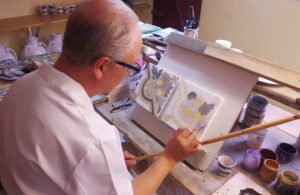
The level of skill involved in creating these dolls is remarkable. Artisans hand-painted facial features with extraordinary precision, often using multiple firings to achieve depth and realism. Glass eyes were carefully set, and intricate wigs were fashioned from human or mohair. The clothing, too, was made to an exceptionally high standard — tiny garments constructed from silk, lace, and fine cotton. This level of craftsmanship is rarely seen in modern manufacturing, which makes surviving examples all the more treasured.
The thrill of the hunt
For many collectors, the joy of antique ceramic dolls lies in the search itself. Scouring antique fairs, estate sales, and online auctions for rare or well-preserved pieces adds an element of adventure to the hobby. Finding a doll in good condition — or identifying a particularly sought-after maker's mark — can feel genuinely exciting. The unpredictability of what might turn up keeps enthusiasts engaged year after year.
Investment and value
Antique ceramic dolls can also hold significant monetary value. Rare examples from prestigious makers such as Jumeau, Bru, or Kestner can fetch thousands of pounds at auction. As with many antiques, condition, provenance, and rarity all play a role in determining worth. Whilst not every collector is motivated by financial gain, knowing that a cherished piece may appreciate over time certainly adds to its appeal.
Nostalgia and emotional connection
For others, the draw is deeply personal. Many collectors are introduced to antique dolls through family heirlooms — a grandmother's treasured figure passed down through the generations. This emotional connection gives the hobby a warmth that goes beyond simple acquisition. Even those without a family link often find that antique dolls evoke a sense of nostalgia, transporting them to a quieter, more handcrafted world.
A growing community
The popularity of antique ceramic dolls shows no sign of fading. Online communities, dedicated collector clubs, and specialist publications keep enthusiasts connected and informed. Whether someone is just starting out or has spent decades building a collection, there is always more to learn and discover. That sense of shared passion — combined with the enduring beauty of the dolls themselves — ensures their place in the world of antiques for many years to come.